
Zambia Extends Copper Export Duty Suspension as Smelter Constraints Reshape Industry Power Balance
Zambia Extends Copper Export Duty Waiver to September as Chinese and Middle Eastern Miners Secure Major Quotas
Zambia has extended the suspension of its 10% export duty on copper concentrates until September 30, in a move designed to ease pressure on mining operations affected by rising stockpiles and reduced smelting capacity across the country’s processing infrastructure.
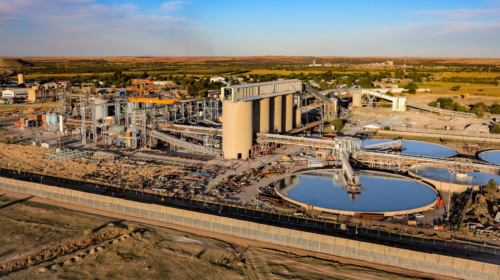
The extension comes as several major smelters undergo prolonged maintenance and repair programmes, temporarily constraining the country’s ability to process copper concentrates into refined cathodes.
The resulting bottlenecks have led to increased concentrate inventories at mine sites, prompting the government to allow continued exports under a duty-free framework.
The suspension, originally introduced in August 2025, now applies to 271,742 tonnes of copper concentrate allocated under duty-free export quotas to key mining companies operating in Zambia, Africa’s second-largest copper producer.
Smelter Constraints Drive Policy Adjustment
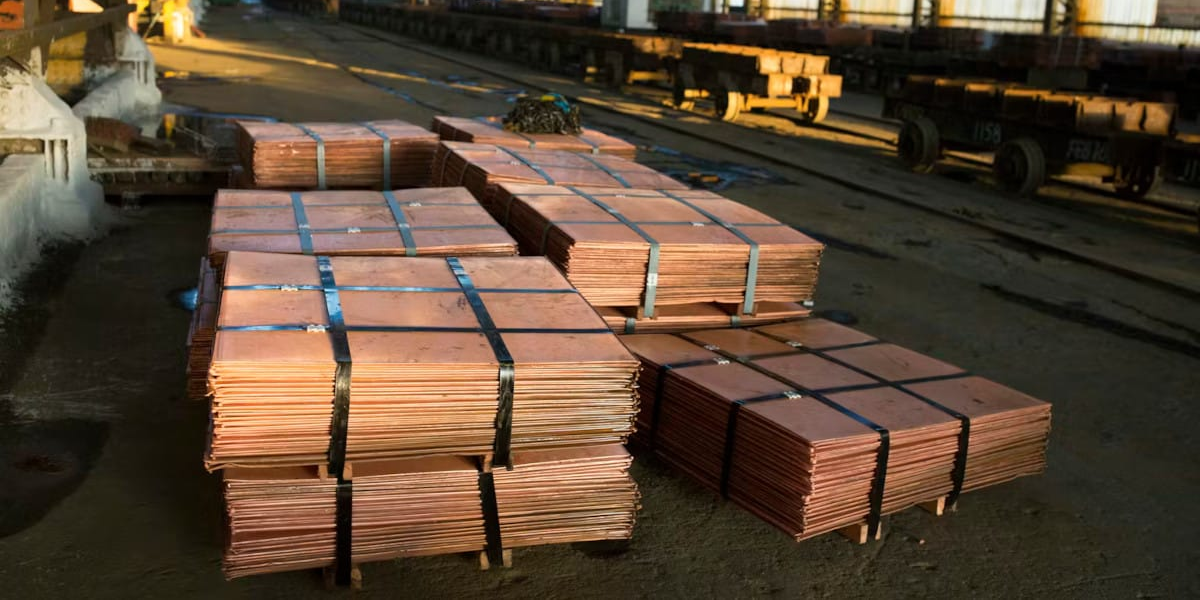
Zambia’s copper industry is structured around domestic refining capacity, with the majority of output typically exported as refined copper cathodes.
However, recent technical challenges and scheduled maintenance at key smelting facilities have reduced processing throughput, forcing a temporary shift toward concentrate exports.
Government officials say the policy adjustment is intended to maintain production stability, prevent operational disruptions, and ensure continuity across the mining value chain while infrastructure is restored.
Allocation of Export Quotas
Under the extended suspension, Mopani Copper Mines received the largest duty-free allocation at 100,000 tonnes.
The company is jointly owned by Abu Dhabi-based International Resources Holding and Zambia’s state mining investment company ZCCM-IH, underscoring the growing role of Middle Eastern capital in the country’s mining sector.
Barrick Mining’s Lumwana operation was allocated 56,986 tonnes, making it the second-largest beneficiary of the quota distribution.
Chinese-linked mining operations also feature prominently in the allocation framework. Nkana Mining and Minerals Processing received approximately 43,000 tonnes, while First Quantum Minerals was assigned a similar volume.
Lubambe Copper Mine, which is 70% owned by China’s JCHX Mining, was allocated 15,000 tonnes, while Vedanta Resources’ Konkola Copper Mines received 12,541 tonnes under the exemption structure.
Foreign Capital Influence in Zambia’s Copper Sector
The distribution of export quotas highlights the continued dominance of foreign investors in Zambia’s copper industry, particularly Chinese and Middle Eastern-backed firms, at a time when the country is seeking to expand domestic value addition.
The presence of Gulf and Chinese capital across major operations reflects a broader shift in global mining finance, as large-scale investors target long-life copper assets critical to the energy transition.
Balancing Industrial Policy and Operational Reality
Zambia originally introduced the 10% export duty on copper concentrates to incentivize local processing and increase value retention within the domestic economy.
However, ongoing smelter maintenance and capacity constraints have forced policymakers to temporarily relax the measure.
The government says the extension reflects a balancing act between maintaining fiscal policy objectives and addressing immediate operational challenges within the mining sector.
Zambia produced 890,346 tonnes of copper in 2025 and is targeting output of 3 million tonnes annually by 2031.
Achieving this goal will require sustained investment in both mining and processing infrastructure, alongside improved smelting reliability.
The temporary suspension provides short-term relief for miners managing excess stockpiles, while reinforcing the strategic importance of foreign investment in sustaining Zambia’s copper production base.
As smelter upgrades continue and global copper demand remains strong, Zambia’s policy decisions are increasingly shaped by the need to balance industrial development goals with real-time operational constraints in its mining sector.